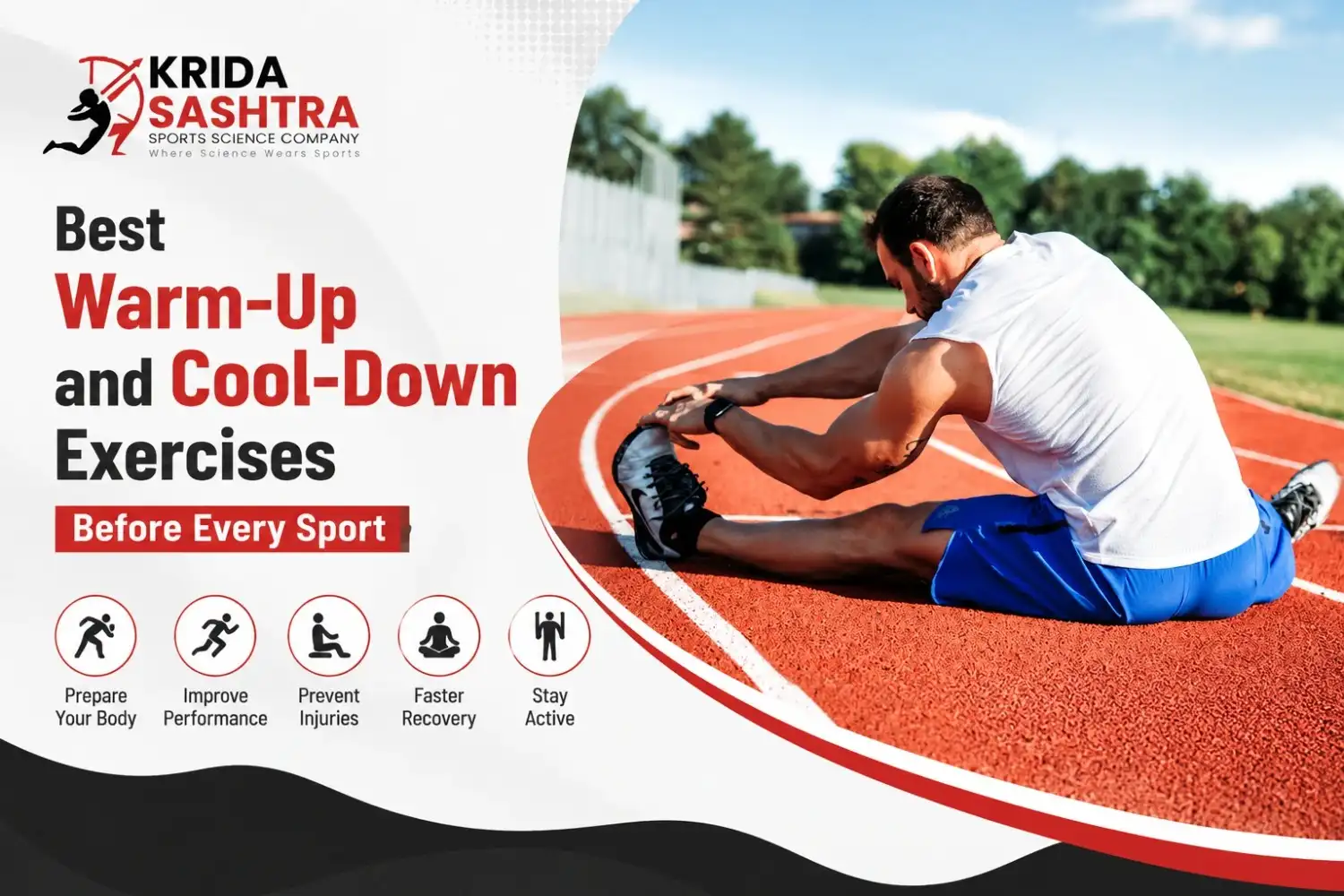
Why Warm-Up and Cool-Down Are Important
Warm-up and cool-down exercises are often overlooked, yet
they play a crucial role in athletic performance and injury prevention. A
proper warm-up gradually increases your heart rate, boosts blood circulation,
and prepares muscles and joints for movement. Similarly, a cool-down helps your
body return to its resting state, reduces muscle soreness, and promotes faster
recovery. Skipping these routines can increase the risk of strains, cramps, and
fatigue. Whether you play football, cricket, badminton, athletics, or any other
sport, dedicating a few minutes before and after exercise improves both
performance and long-term fitness.
Benefits of Warming Up Before Sports
A warm-up activates the muscles and nervous system before
physical activity. It improves flexibility, balance, coordination, and reaction
time while reducing stiffness in muscles and joints. Warm muscles contract more
efficiently, allowing athletes to move faster and generate greater power.
Warming up also mentally prepares athletes by improving focus and confidence
before competition. Regular warm-up routines reduce the likelihood of muscle
tears, ligament injuries, and joint problems. Making warm-ups a habit ensures
that your body is physically and mentally ready for every workout or sporting
event.
Best Dynamic Warm-Up Exercises
Dynamic stretching involves controlled movements that
prepare the body for physical activity. Effective dynamic warm-up exercises
include arm circles, leg swings, walking lunges, high knees, butt kicks,
jumping jacks, hip rotations, shoulder rolls, ankle circles, and torso twists.
These movements improve joint mobility and activate major muscle groups without
reducing muscle power. Unlike static stretching, dynamic exercises closely
mimic sports movements, making them ideal before training or competition. Performing
each exercise for 30 to 60 seconds provides excellent preparation for most
sports.
Sport-Specific Warm-Up Exercises
Different sports require different movement patterns, making
sport-specific warm-ups highly beneficial. Football players should focus on
sprint drills, ball control, and agility exercises. Cricket players benefit
from shoulder mobility, wrist rotations, and light throwing practice.
Basketball players should perform lateral shuffles, jumping drills, and
ball-handling exercises. Swimmers should complete shoulder mobility drills and
light swimming laps. Athletes should customize their warm-up routine based on the
physical demands of their chosen sport to maximize performance and reduce
injury risks.
Why Cooling Down Is Equally Important
Cooling down allows the body to gradually recover after
intense physical activity. Instead of stopping suddenly, athletes should reduce
exercise intensity through light walking or slow jogging followed by gentle
stretching. This process helps normalize heart rate, improves blood
circulation, and removes metabolic waste products from muscles. Cooling down
also reduces muscle tightness and improves flexibility over time. A proper
cool-down routine supports recovery, minimizes post-workout soreness, and prepares
athletes for future training sessions.
Best Cool-Down Stretching Exercises
Cool-down routines should include slow, controlled stretches
that target major muscle groups used during exercise. Hamstring stretches,
quadriceps stretches, calf stretches, hip flexor stretches, shoulder stretches,
chest stretches, lower back stretches, neck stretches, and seated forward bends
improve flexibility while reducing muscle stiffness. Each stretch should be
held for 20 to 30 seconds without bouncing. Deep breathing during stretching
promotes relaxation and helps the body recover both physically and mentally
after sports activities.
How Long Should Warm-Up and Cool-Down Last?
An effective warm-up usually lasts between 10 and 15
minutes, depending on the intensity of the upcoming activity. Athletes
participating in high-intensity sports may require slightly longer preparation.
Cool-down sessions generally take 5 to 10 minutes and should include light
cardiovascular activity followed by stretching. Spending just a few extra
minutes before and after exercise significantly improves performance while
lowering the risk of injuries. Consistency is more important than duration when
developing these healthy exercise habits.
Common Warm-Up and Cool-Down Mistakes
Many athletes make mistakes that reduce the effectiveness of
their routines. Skipping warm-ups completely, performing static stretches
before high-intensity activities, rushing through exercises, neglecting
hydration, and stopping abruptly after workouts are common errors. Some
athletes also ignore muscle soreness or fail to stretch tight areas after
exercise. Correcting these mistakes improves performance, supports recovery,
and reduces injury risks. Following a structured routine every time you exercise
produces the best long-term results.
Hydration and Nutrition for Better Recovery
Recovery extends beyond stretching. Drinking enough water
after exercise replaces fluids lost through sweat and supports normal body
functions. Athletes should also consume a balanced meal containing
carbohydrates and protein within one hour of training to restore energy and
repair muscles. Fruits, vegetables, lean proteins, whole grains, and healthy
fats provide essential nutrients that reduce inflammation and accelerate
recovery. Combining hydration, nutrition, and cool-down exercises creates a
complete recovery strategy for athletes of all levels.
Building a Daily Warm-Up and Cool-Down Routine
Creating a consistent routine helps athletes improve
performance and reduce injuries throughout the year. Start every session with
light cardio, followed by dynamic stretching and sport-specific movements.
After completing your workout or match, reduce your pace gradually before
performing static stretching for all major muscle groups. Track your progress
and adjust the routine based on your sport and fitness level. Making these
exercises part of every training session creates healthier movement patterns and
improves long-term athletic performance.
Warm-Up and Cool-Down Exercise Table
|
Exercise |
Warm-Up /
Cool-Down |
Primary
Benefit |
|
Jumping Jacks |
Warm-Up |
Increase
Heart Rate |
|
High Knees |
Warm-Up |
Improve Leg
Activation |
|
Walking
Lunges |
Warm-Up |
Enhance
Mobility |
|
Arm Circles |
Warm-Up |
Shoulder
Flexibility |
|
Hamstring
Stretch |
Cool-Down |
Reduce Muscle
Tightness |
|
Calf Stretch |
Cool-Down |
Improve
Flexibility |
|
Quad Stretch |
Cool-Down |
Prevent
Muscle Stiffness |
|
Deep
Breathing |
Cool-Down |
Relax Body
and Mind |
Quick Warm-Up and Cool-Down Tips
- Begin
with 5–10 minutes of light cardio.
- Perform
dynamic stretches before sports.
- Use
sport-specific warm-up drills.
- Stay
hydrated before and after exercise.
- Cool
down with light walking or jogging.
- Hold
each static stretch for 20–30 seconds.
- Avoid
bouncing while stretching.
- Focus
on proper breathing throughout the routine.
- Never
skip warm-up or cool-down sessions.
- Practice
consistently before every workout.
Conclusion
Warm-up and cool-down exercises are essential parts of every
sports training routine. They prepare the body for physical activity, improve
flexibility, enhance athletic performance, reduce injury risks, and support
faster recovery. Spending just a few minutes before and after exercise can
significantly improve your long-term health and fitness. Whether you're a
beginner, recreational player, or professional athlete, making these routines a
daily habit will help you perform better and recover more efficiently. At Krida
Sashtra, we encourage every athlete to prioritize proper preparation and
recovery for a safer and more successful sporting journey.
Frequently Asked Questions
Need a scientific evaluation?
Schedule a session with Dr. Rohit Verma to consult on performance testing equipment.