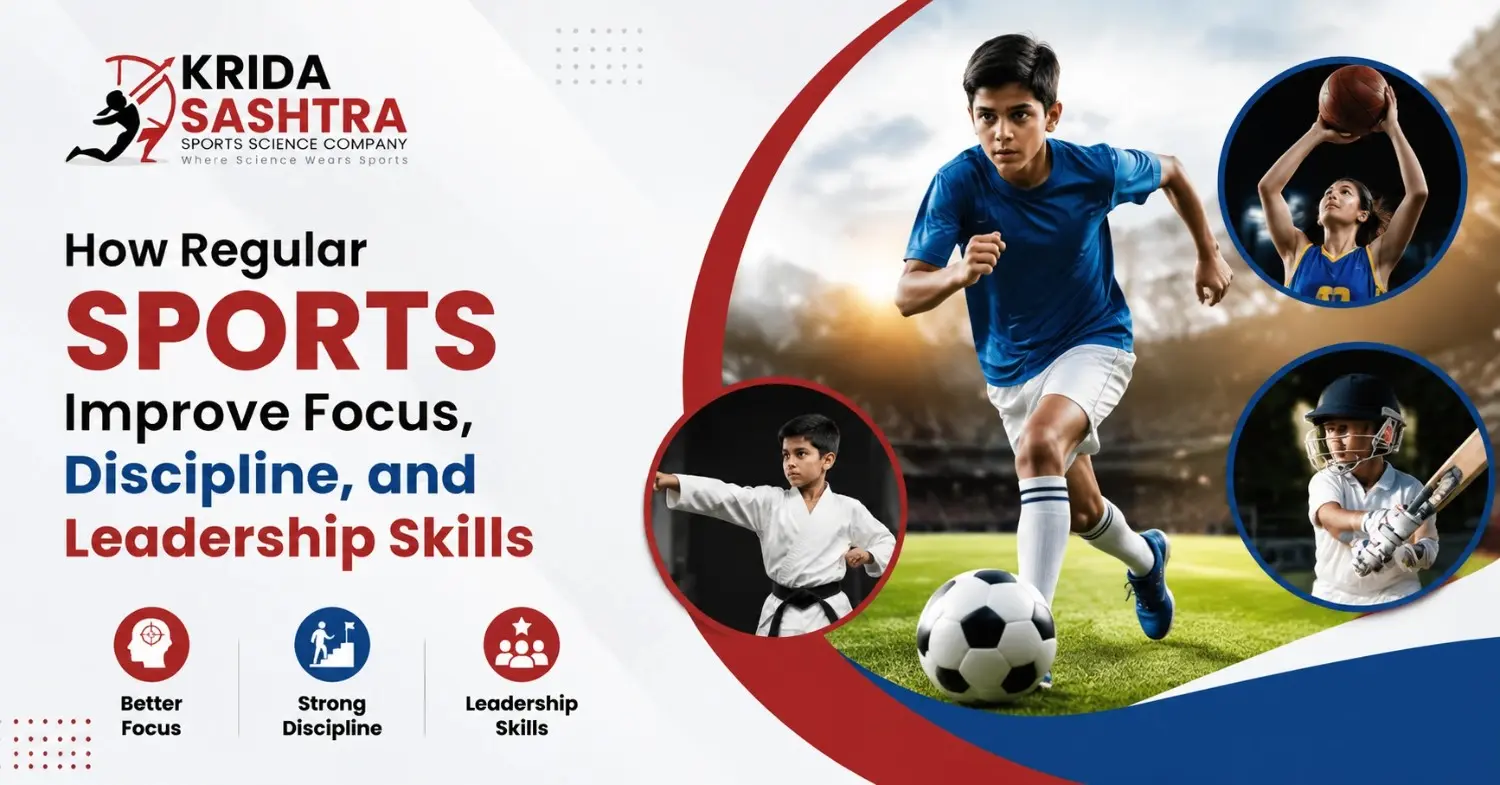
Why Sports Develop More Than Physical Fitness
Sports are not only about winning matches or improving
physical strength they are also powerful tools for personal development. Every
practice session and competition teaches valuable life lessons that help
individuals become more focused, disciplined, and responsible. Athletes
constantly learn how to manage pressure, make quick decisions, and work
effectively with others. These experiences shape character and prepare
individuals for challenges beyond the playing field. Whether participating
recreationally or competitively, sports create habits that contribute to
success in academics, careers, and everyday life.
Sports Improve Concentration and Focus
Focus is one of the most valuable skills developed through
regular sports participation. Athletes must pay close attention to their
surroundings, anticipate opponents' actions, and react quickly during games.
Continuous practice improves concentration, reaction time, memory, and
decision-making abilities. Sports also train the brain to remain calm under
pressure while maintaining attention on specific goals. Students often notice
better classroom concentration, while professionals experience improved productivity
and problem-solving skills. Developing strong focus through sports benefits
nearly every aspect of life.
Sports Build Self-Discipline
Discipline is essential for success in both sports and life.
Athletes follow structured training schedules, maintain healthy eating habits,
arrive on time, and consistently work toward long-term goals. These routines
teach responsibility, commitment, and perseverance even when motivation
decreases. Self-discipline developed through sports helps individuals avoid
distractions and remain dedicated to continuous improvement. These habits
extend into education, careers, and personal development, making disciplined
individuals more organized, reliable, and successful over time.
Sports Teach Goal Setting and Consistency
Every athlete sets short-term and long-term goals, whether
improving speed, increasing strength, mastering new techniques, or winning
competitions. Achieving these goals requires consistent practice, patience, and
determination. Sports teach individuals that meaningful progress comes from
daily effort rather than instant success. Learning to stay committed despite
setbacks develops resilience and persistence. This mindset encourages
continuous improvement and helps individuals achieve success in many areas beyond
sports.
Sports Develop Leadership Skills
Leadership naturally develops through sports participation.
Team captains motivate players, make important decisions, solve problems during
matches, and encourage teamwork under pressure. Even athletes who are not
captains develop leadership qualities by supporting teammates, setting positive
examples, and accepting responsibility. Sports teach individuals how to
communicate effectively, inspire others, and remain confident in challenging
situations. These leadership abilities become valuable in schools, workplaces,
businesses, and community organizations throughout life.
Team Sports Improve Communication Skills
Effective communication is essential for success in team
sports. Players must share information quickly, understand strategies, provide
encouragement, and coordinate movements with teammates. These experiences
improve verbal communication, listening skills, and emotional intelligence.
Athletes learn how to express ideas clearly while respecting others' opinions.
Strong communication strengthens relationships both on and off the field,
making sports participants better collaborators in professional and personal
environments.
Sports Build Confidence and Decision-Making
Every successful pass, goal, run, or achievement increases
an athlete's confidence. Sports encourage individuals to trust their abilities,
make quick decisions, and accept responsibility for their actions. Athletes
regularly face high-pressure situations that require immediate judgment and
adaptability. Learning from victories and defeats builds emotional resilience
and self-belief. Confident individuals are more willing to take initiative,
solve problems, and pursue challenging opportunities throughout their personal
and professional lives.
Sports Teach Time Management
Balancing sports, education, work, and personal
responsibilities requires careful planning. Athletes learn to organize daily
schedules, prioritize important tasks, and maintain consistency across
different commitments. Effective time management helps individuals reduce
stress while improving productivity and work-life balance. These organizational
skills become increasingly valuable as responsibilities grow throughout
adulthood. Sports demonstrate that success depends on consistent planning
rather than simply working harder.
Sports Encourage Responsibility and Accountability
Athletes understand that their actions affect the entire
team. Missing practice sessions, neglecting fitness, or failing to prepare
impacts both individual and team performance. This sense of accountability
teaches responsibility, reliability, and ownership of personal decisions.
Sports encourage individuals to admit mistakes, learn from failures, and
continuously improve. Developing accountability creates trustworthy individuals
who contribute positively to schools, workplaces, and communities.
Long-Term Benefits Beyond the Playing Field
The lessons learned through sports continue long after
athletic careers end. Focus improves academic achievement and workplace
productivity. Discipline supports healthy habits and professional growth.
Leadership creates confident decision-makers capable of guiding teams and
organizations. Communication strengthens relationships, while resilience helps
individuals overcome personal and professional challenges. These lifelong
skills make sports one of the most valuable investments in personal development
for people of all ages.
Life Skills Developed Through Sports
|
Skill |
How Sports
Help |
|
Focus |
Improves
concentration and decision-making |
|
Discipline |
Builds
consistency and responsibility |
|
Leadership |
Develops
confidence and motivation |
|
Teamwork |
Strengthens
collaboration and trust |
|
Communication |
Enhances
verbal and listening skills |
|
Time
Management |
Improves
planning and productivity |
|
Confidence |
Encourages
self-belief |
|
Resilience |
Helps
overcome challenges and setbacks |
Key Benefits of Regular Sports Participation
Improves concentration and mental focus.
Builds
lifelong discipline and consistency.
Develops
leadership qualities.
Strengthens
communication skills.
Enhances
teamwork and collaboration.
Increases
confidence and self-esteem.
Teaches
responsibility and accountability.
Improves
decision-making under pressure.
Encourages
effective time management.
Supports
long-term personal and professional success.
Conclusion
Regular participation in sports offers benefits far beyond
physical fitness. It develops essential life skills such as focus, discipline,
leadership, teamwork, communication, and resilience that help individuals
succeed in every stage of life. Whether you are a student, athlete, or working
professional, sports provide valuable experiences that strengthen both
character and confidence. At Krida Sashtra, we believe that sports are
one of the most effective ways to build healthier individuals, stronger
leaders, and more successful communities. Making sports a regular part of life
is an investment in long-term personal growth and achievement.
Frequently Asked Questions
Need a scientific evaluation?
Schedule a session with Dr. Rohit Verma to consult on performance testing equipment.