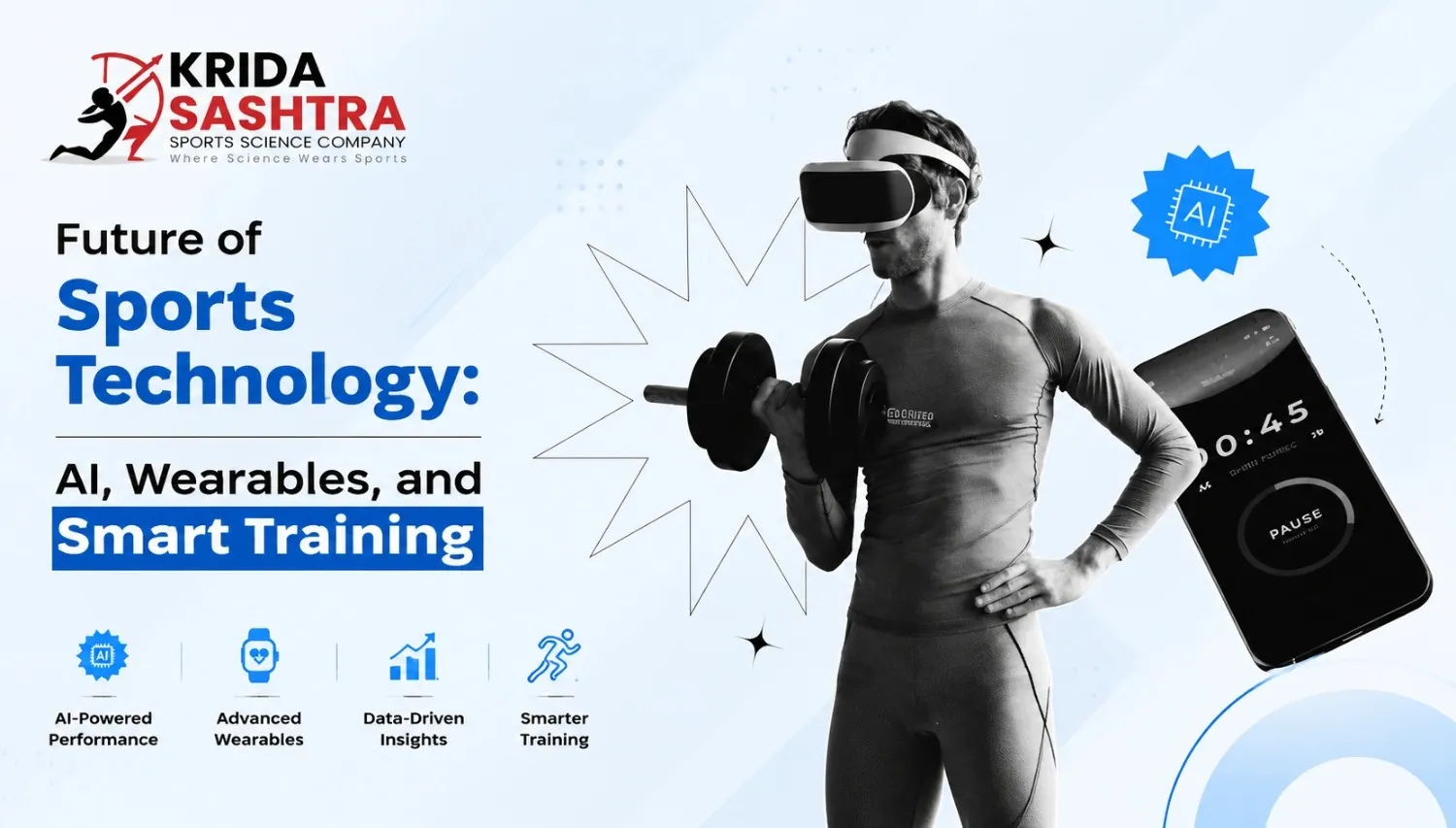
How Technology Is Changing Modern Sports
Sports technology has revolutionized the way athletes train,
compete, and recover. Advanced digital tools provide accurate performance data
that helps coaches and athletes make informed decisions. From real-time
tracking to AI-powered analytics, technology enables personalized training
programs and more efficient skill development. It also enhances fan engagement,
improves sports broadcasting, and supports fair decision-making during
competitions. As technology continues to evolve, athletes of every level can
benefit from smarter, safer, and more effective training methods.
The Role of Artificial Intelligence in Sports
Artificial Intelligence (AI) is becoming an essential part
of modern sports. AI systems analyze player movements, training sessions, match
statistics, and performance patterns to identify strengths and areas for
improvement. Coaches use AI-generated insights to create personalized training
plans and optimize team strategies. AI can also predict injury risks by
monitoring workload and physical performance over time. These intelligent
systems help athletes improve efficiency while making training more scientific
and data-driven than ever before.
Wearable Technology for Athletes
Wearable devices have transformed sports performance
monitoring. Smartwatches, fitness bands, GPS trackers, heart rate monitors, and
smart clothing collect real-time health and fitness data during training. These
devices measure heart rate, distance, speed, calories burned, sleep quality,
and recovery levels. Athletes and coaches use this information to adjust
training intensity, improve endurance, and prevent overtraining. Wearable
technology provides continuous feedback that supports better decision-making
and long-term athletic development.
Smart Training Equipment
Modern sports equipment is becoming increasingly
intelligent. Smart treadmills, connected exercise bikes, motion sensors,
interactive training systems, and AI-powered fitness machines provide instant
performance feedback. Video analysis tools evaluate movement techniques and
identify areas that require correction. These technologies help athletes
improve accuracy, speed, coordination, and overall efficiency. Smart training
equipment also makes learning new skills easier by offering personalized
guidance and measurable progress tracking.
Data Analytics in Sports Performance
Sports analytics has become one of the most valuable tools
for athletes and coaches. Data collected from training sessions, competitions,
and wearable devices helps evaluate physical performance, tactical decisions,
and recovery progress. Teams use advanced analytics to monitor player workload,
improve game strategies, and identify performance trends. Data-driven coaching
reduces guesswork and allows athletes to make objective improvements based on
measurable results. Analytics has become an essential component of professional
and amateur sports alike.
Injury Prevention Through Technology
Preventing injuries is one of the biggest advantages of
modern sports technology. Wearable sensors monitor muscle fatigue, movement
patterns, and physical workload, allowing coaches to detect early warning signs
of overtraining. Motion analysis systems identify incorrect techniques that may
increase injury risk. Recovery monitoring tools evaluate sleep quality,
hydration, and physical readiness before training. By identifying potential
problems early, technology helps athletes train safely while reducing downtime
caused by preventable injuries.
Virtual Reality and Augmented Reality in Sports
Virtual Reality (VR) and Augmented Reality (AR) are creating
new opportunities for sports training. VR allows athletes to practice match
situations in immersive environments without physical risk, while AR overlays
digital information during real-world training sessions. These technologies
improve reaction time, decision-making, and tactical awareness. Coaches also
use VR and AR to simulate game scenarios and analyze player responses. As these
technologies become more accessible, they are expected to play a larger role in
athlete development.
Smart Recovery and Rehabilitation
Recovery technology has advanced significantly in recent
years. Recovery devices monitor heart rate variability, sleep quality, muscle
fatigue, and physical readiness using advanced sensors. Smart massage devices,
compression systems, cold therapy equipment, and AI-assisted rehabilitation
programs help athletes recover faster after training or injuries. Personalized
recovery plans ensure athletes return to peak performance while minimizing the
risk of recurring injuries. Recovery technology is now considered just as
important as training itself.
The Future of AI-Powered Coaching
Artificial Intelligence is expected to become an even more
important coaching assistant in the future. AI-powered systems will analyze
millions of performance data points to provide highly personalized
recommendations for training, nutrition, recovery, and injury prevention.
Virtual coaching platforms may offer real-time feedback during workouts while
adapting exercises based on an athlete's progress. Rather than replacing human
coaches, AI will enhance coaching by providing deeper insights and supporting better
decision-making for athletes at every level.
Challenges of Sports Technology
Although sports technology offers many advantages, it also
presents certain challenges. High costs may limit access for some athletes and
organizations. Data privacy and cybersecurity are important concerns when
collecting personal health information. Excessive dependence on technology may
reduce focus on fundamental skills and coaching experience. Athletes and
coaches should use technology as a supportive tool rather than a complete
replacement for proper training, discipline, and practical experience. Finding
the right balance between innovation and traditional coaching remains
essential.
Modern Sports Technologies
|
Technology |
Primary
Use |
Benefits |
|
Artificial
Intelligence |
Performance
Analysis |
Personalized
Training |
|
Smartwatches |
Health
Monitoring |
Heart Rate
& Fitness Tracking |
|
GPS Trackers |
Movement
Analysis |
Speed &
Distance Measurement |
|
Motion
Sensors |
Technique
Evaluation |
Injury
Prevention |
|
Virtual
Reality |
Skill
Development |
Tactical
Training |
|
Data
Analytics |
Performance
Insights |
Better
Decision-Making |
|
Smart
Recovery Devices |
Rehabilitation |
Faster
Recovery |
|
Fitness Apps |
Progress
Tracking |
Goal
Monitoring |
Benefits of Sports Technology
- Improves
athletic performance.
- Provides
personalized training plans.
- Reduces
injury risks.
- Tracks
health and fitness in real time.
- Enhances
coaching decisions.
- Supports
faster recovery.
- Improves
game strategy through analytics.
- Encourages
data-driven performance improvement.
- Makes
training more engaging.
- Shapes
the future of sports and fitness.
Conclusion
Sports technology is transforming the future of athletic
performance through Artificial Intelligence, wearable devices, smart equipment,
and advanced data analytics. These innovations help athletes train smarter,
recover faster, and perform more efficiently while reducing injury risks.
Although technology continues to evolve, success still depends on dedication,
proper coaching, and consistent practice. When combined with traditional
training methods, modern technology creates new opportunities for athletes at
every level. At Krida Sashtra, we believe embracing sports technology
will play a key role in building the next generation of healthier, smarter, and
more successful athletes.
Frequently Asked Questions
Need a scientific evaluation?
Schedule a session with Dr. Rohit Verma to consult on performance testing equipment.